
Étiquette : ZERO ERROR
-

Experiment: To Determine the Resistivity of Two/Three Wires by plotting a Graph of Potential Difference (V) vs Current (I)
Ever wondered why some wires conduct electricity better than others? Our »Resistivity of wires » experiment lets you find out! By carefully measuring potential difference and current,you’ll plot captivating V-I graphs that reveal the inherent resistivity of different wire materials. Get ready to explore the fundamental principles of electrical conductivity and science in action!
-

Unlocking Precision: Measuring the Diameter of a Wire and Thickness of a Sheet with a Screw Gauge
« Ever wondered how to precisely measure the tiny diameter of a wire or the thickness of a sheet? The screw gauge is your answer! This guide breaks down the step-by-step process, making accurate measurements accessible to everyone.Drive in and unlock the secrets of precision »
-
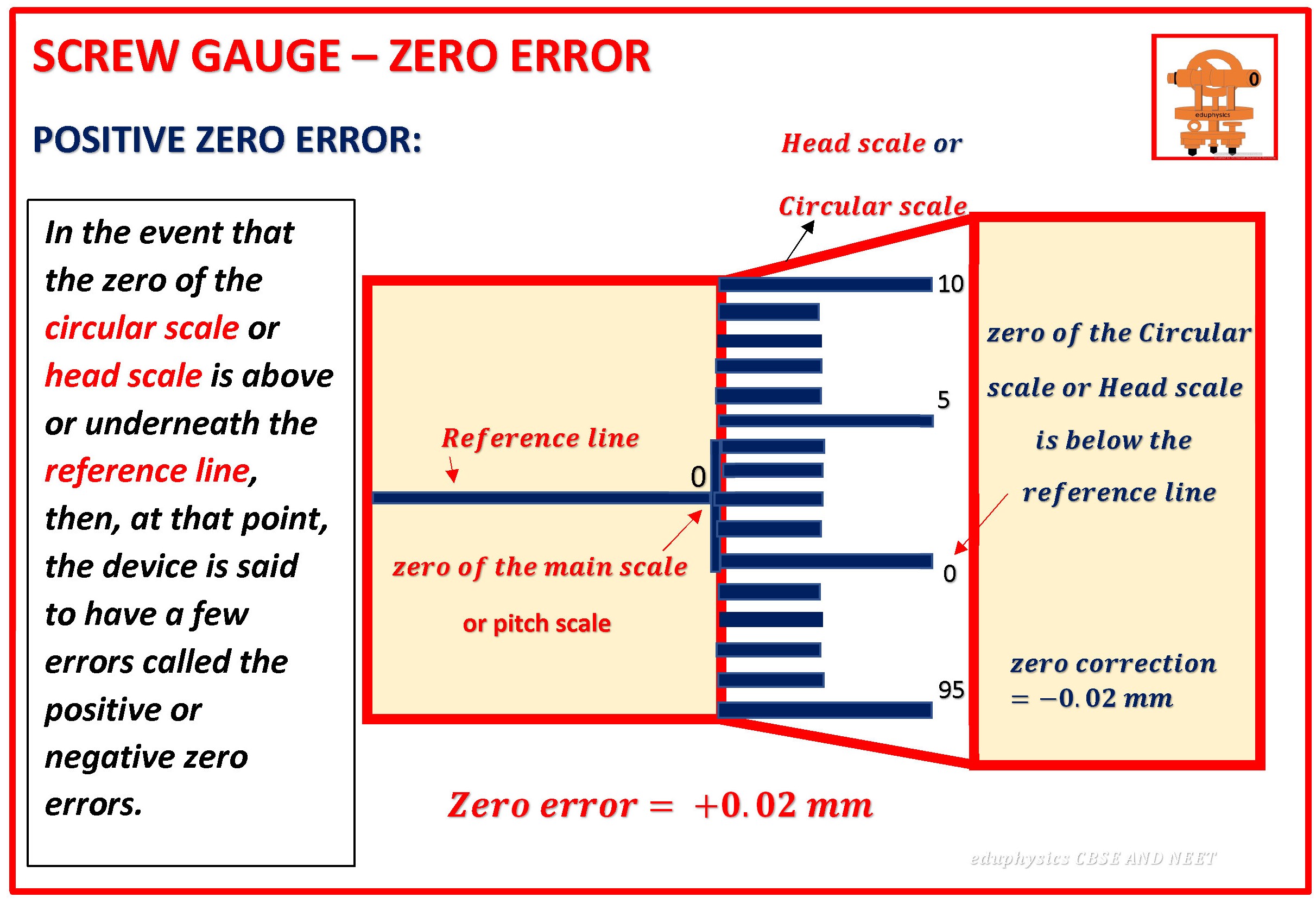
What is zero, positive and negative error in a screw gauge? Physics practical
A screw gauge is a precision instrument used to measure very small thicknesses or diameters with great accuracy.However, like any measuring instrument, it can have errors.One common type orf error is called zero error, which occurs when the zero mark on the circular scale of the screw gauge does not coincide with the zero mark…
-
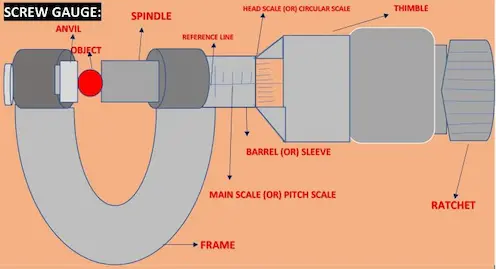
SCREW GAUGE NUMERICAL FOR GRADE 11 &12
« Tired of struggling with screw gauge numericals? Fear no more! This blogpost breaks down the concepts and provide step-by step solutions to common problems.Let’s master the art of precise measurement together! »
-
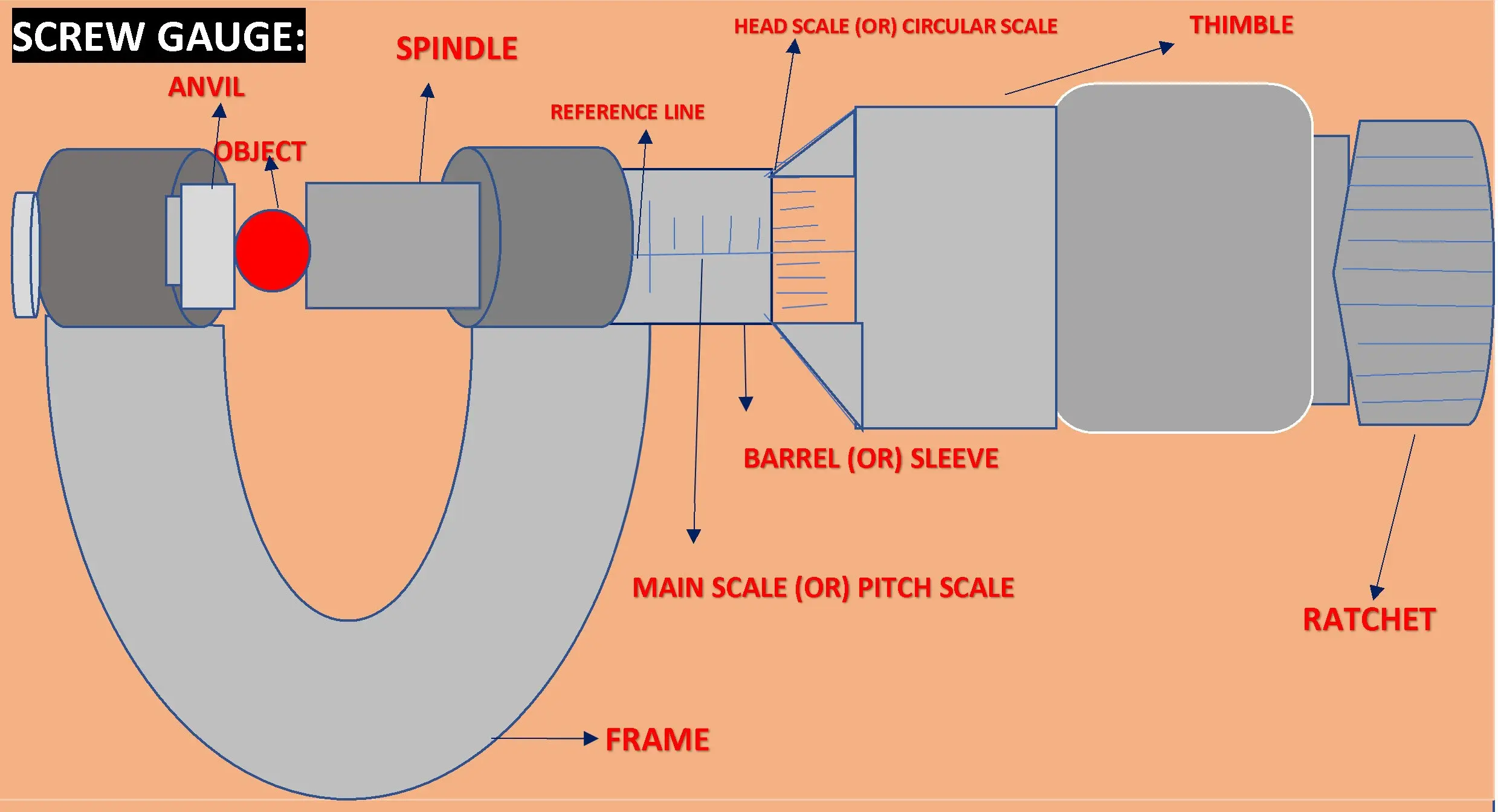
Screw Gauge – Construction and Zero error
Ever wondered how tiny measurements are taken with such accuracy? The screw gauge is your answer! This post dissects its construction, revealing the function of each part, and guides you through the critical process of understanding and correcting zero error for reliable results.

 Chat With Us
Vous devez être connecté pour poster un commentaire.